
COVID Misinformation Laws: Help or Hindrance?
COVID Misinformation Laws: Help or Hindrance? in the wake of a global pandemic, societies around the world were confronted not only with a novel virus but also with a flood of information—and misinformation. In response, many countries instituted covid misinformation laws aimed at curbing false narratives and safeguarding public health. But while the intentions may be noble, the execution has sparked a global debate. Are these laws truly protective, or are they stifling dissent and open dialogue?
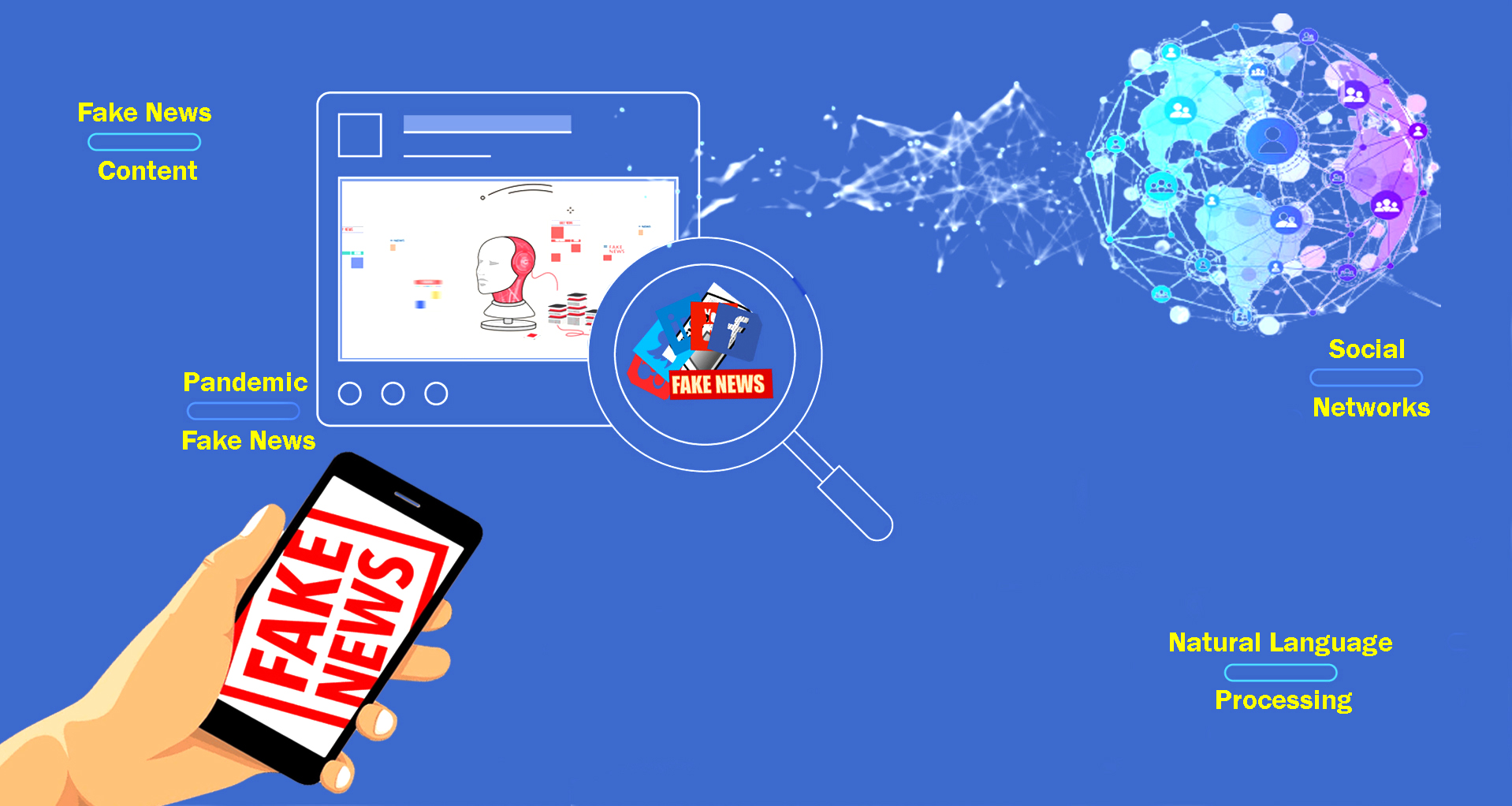
The Rise of COVID Misinformation
When COVID-19 began its relentless spread, social media became a hotbed of both helpful updates and dangerously incorrect information. From fake cures to conspiracy theories about the virus’s origin, misinformation proliferated. As fear spread faster than the virus itself, governments began to step in.
What Are COVID Misinformation Laws?
Covid misinformation laws refer to regulations or legal mandates designed to penalize individuals, organizations, or platforms that disseminate false or misleading information related to COVID-19. These laws have taken various forms, including fines, arrests, digital content takedowns, and even imprisonment.
Countries like Brazil, Russia, and even some EU nations passed emergency legislation to combat fake news about the virus. Others relied on existing laws about public safety, health, and national security. Regardless of the method, the aim was largely the same: reduce panic and protect citizens.
The Positive Impact
There is no denying that misinformation can be deadly. Ingesting bleach, skipping vaccines, and distrusting doctors have had tangible, tragic consequences. In this light, covid misinformation laws serve a protective function. By penalizing harmful narratives, governments can suppress potentially lethal advice.
In Singapore, for example, the Protection from Online Falsehoods and Manipulation Act (POFMA) was activated to tackle COVID-19 disinformation. It allowed for the rapid removal of false posts, public corrections, and legal actions when necessary. This approach helped maintain a more informed public and arguably saved lives.
Unintended Consequences
However, not all outcomes have been positive. Critics argue that covid misinformation laws are sometimes wielded as tools of political control. In several countries, whistleblowers and journalists faced punishment for sharing information that contradicted the official narrative, even when their insights proved accurate.
In India and the Philippines, people who questioned government preparedness or vaccine rollouts were accused of spreading fake news. This has raised alarm bells among human rights organizations and free speech advocates. The line between protecting public health and muzzling criticism is perilously thin.
The Role of Big Tech
Tech giants like Facebook, YouTube, and Twitter were at the epicenter of the information war. Pressured by both public opinion and covid misinformation laws, these platforms began to flag or remove content deemed misleading.
While this was effective to some degree, it also sparked accusations of censorship. Algorithms occasionally flagged legitimate scientific debate as harmful content, eroding trust in both the platforms and the process.
Navigating the Gray Area
One of the biggest challenges in enforcing covid misinformation laws is distinguishing between deliberate falsehoods and evolving science. During a rapidly developing crisis, even experts changed their guidance as new data emerged. What was considered misinformation one day could become accepted truth the next.
For example, mask-wearing guidelines changed as understanding of airborne transmission improved. Similarly, early vaccine hesitancy discussions evolved with better transparency and data. Punishing individuals for expressing doubt in such a fluid context may do more harm than good.
A Matter of Trust
At the heart of the debate lies public trust. When people believe their voices are suppressed, they become more skeptical of official sources. Covid misinformation laws that are overly aggressive can deepen this mistrust.
Instead of legal penalties, many experts advocate for greater transparency, public education campaigns, and open discourse. Building an informed society is more sustainable than one constrained by fear of legal consequences.
International Comparisons
Let’s look at how various countries have navigated this terrain:
- Germany: Strengthened its Network Enforcement Act to demand quicker removal of misinformation by social media platforms, while safeguarding freedom of speech through oversight.
- Australia: Created a Code of Practice with tech companies, emphasizing self-regulation and accountability.
- Malaysia: Imposed strict penalties, including jail time, for spreading false COVID-19 info. This drew criticism for targeting journalists and citizens alike.
These differing approaches reflect a global struggle to find the balance between safety and liberty.
Case Studies
Case Study 1: Nigeria
In Nigeria, journalists were arrested for reporting on low hospital supplies and poor patient care. The government labeled their stories as “fake news” under covid misinformation laws, despite photographic evidence supporting their claims.
Case Study 2: United States
In the U.S., misinformation spread rapidly due to a decentralized health communication structure. Attempts to curb this via tech platforms led to accusations of partisan censorship. The lack of a unified approach hindered public trust and compliance.
Case Study 3: Brazil
President Bolsonaro’s government was accused of downplaying the pandemic while penalizing opposition voices. Critics labeled these moves as manipulative uses of covid misinformation laws to silence dissent rather than protect health.
Striking a Balance
How can governments protect citizens without encroaching on rights?
- Transparency: Clear criteria for what constitutes misinformation should be publicly accessible.
- Proportionality: Legal consequences should match the harm caused, avoiding draconian responses to minor infractions.
- Independent Oversight: Non-partisan bodies should monitor how covid misinformation laws are applied.
- Public Engagement: Encourage dialogue and feedback from communities most affected by these laws.
- Education: Promote media literacy to help people identify and avoid false information.
The Future of Misinformation Laws
As the world prepares for future pandemics, the debate over covid misinformation laws will continue to evolve. Lessons learned must inform better strategies. There is a need for dynamic frameworks that can adapt as science evolves without compromising democratic values.
AI and machine learning will play a bigger role in identifying harmful content, but human judgment must remain central. Blending technology, ethics, and communication strategy will be the key to navigating this modern dilemma.
The COVID-19 pandemic has transformed the way the world thinks about information. In a time of crisis, truth became as vital as a vaccine. Covid misinformation laws were created with the aim of protecting public health, but they must be wielded with caution, integrity, and a commitment to human rights.
Protecting people from harmful lies should not require silencing legitimate concerns. A well-informed society is not one where dissent is forbidden, but one where it is discussed, understood, and used to fuel progress.
Call to Action
It’s time to advocate for smarter, more ethical approaches to misinformation. Let’s push for transparency, demand accountability, and champion informed dialogue—because the health of our society depends on the freedom of our ideas.


